
How to Clean Carpets at Home and Make Them Look New Again
A clean carpet improves the appearance of your house. Carpets absorb so much dust from shoes, trap dust, and go through spills, pets and everyday traffic in the house. A quick once-over can not clean all this, and you actually need to use deep cleaning methods. Cleaning carpets after regular intervals can increase the life of the carpet. Learning how to clean carpet will let you know how different cleaning methods work differently for the type of carpet, different stains, dirt, pet hair or odours.
If you’re looking for “how to clean your carpets” and hoping for more than just vacuuming, you are in the right place. This guide explains a complete step-by-step process, DIY techniques, and different cleaning methods for different materials.
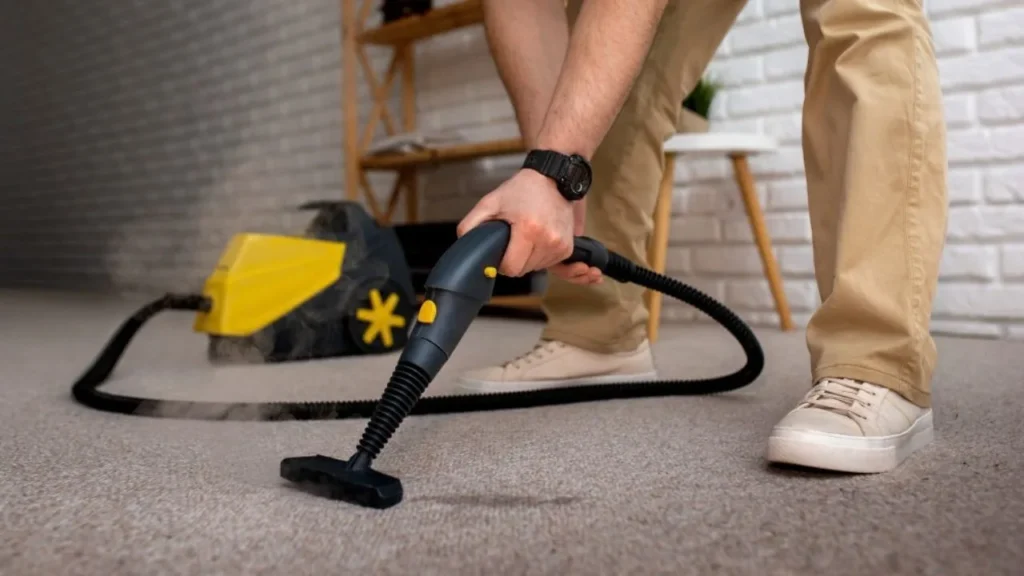
How to Clean Carpets With a Machine: Step-by-Step
If you are wondering how to clean carpet effectively, the following is a step-by-step explanation of how to do effective cleaning:
1. Clear and prepare the room
Clear the space by removing as much furniture as you can, rugs and small items. Put any kind of sheet under the legs of large items that cannot be moved to avoid rust or wood stains.
2. Vacuum thoroughly
Before the wet treatment, vacuum the entire area completely to remove any dust, debris, or pet hair. It prevents the dry, loose particles from getting absorbed and becoming mud when the liquid solution is applied.
3. Pre-treat any visible stains
Use an appropriate stain remover or mild detergent solution on the spots and spills. Let it rest for 15 minutes, and do not do harsh rubbing. Always do a patch test with the cleaner on a hidden area of the carpet.
4. Deep clean the full carpet
Load your carpet cleaning machine with recommended shampoo and hot water. Work in a slow, straight and overlapping motion and start from the farthest corner from the door so that you can leave room without walking over it.
5. Rinse and extract excess moisture
Refill the machine with fresh warm water and go over that carpet again to suck up any detergent residue. Then use the suck-only mode of the machine to pull as much liquid as you can.
6. Dry thoroughly
Carpet fibre must dry within 24 hours to avoid any mould. Speed up the process of evaporation by using oscillating fans, opening windows and maintaining a comfortable room temperature.
How Often Should You Clean Your Carpet?
Your carpets require deep cleaning every 12 to 18 months and 6 to 12 months if you have kids or pets at home. The exact frequency of cleaning depends upon the specific household and lifestyle.
Pet Owners: Pets shed dander, track in dirt, and cause accidents that require immediate cleaning or sanitisation. Such households do deep cleaning every 3 to 6 months.
Allergy or asthma sufferers: such households require frequent cleaning.
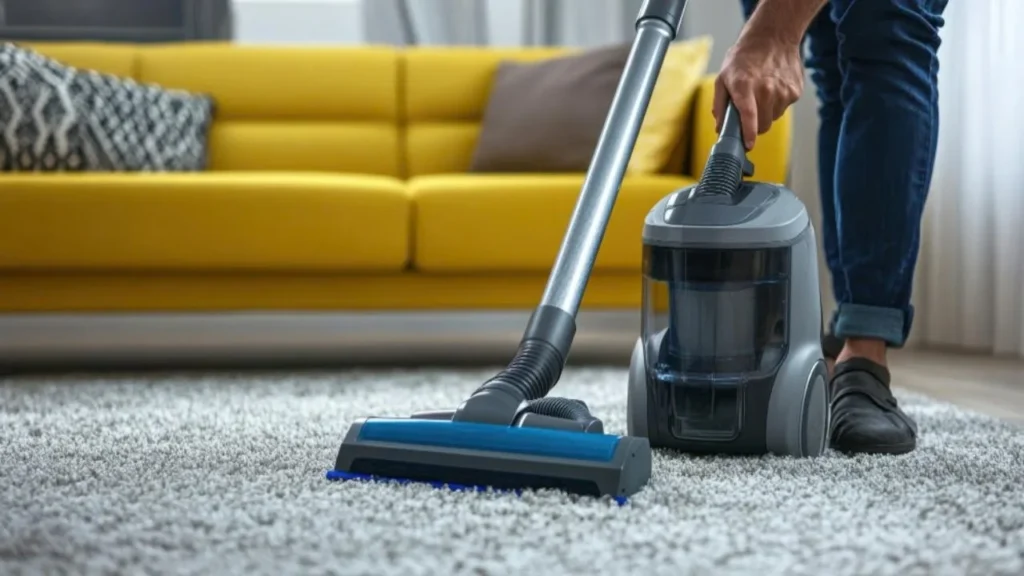
What You’ll Need to Clean Carpet
To know how to clean a carpet effectively, you will need tools and materials. There is a list of things you will need to clean the carpet:
Things that are required for carpet cleaning are
- Vacuum cleaner with eight suction settings
- A brush with soft bristles
- A clean cloth
- Bucket
- Carpet cleaning machine
- Fan or dehumidifer
- Carpet stain remover
- White vinegar
- Baking soda
- Table salt
- Carpet shampoo
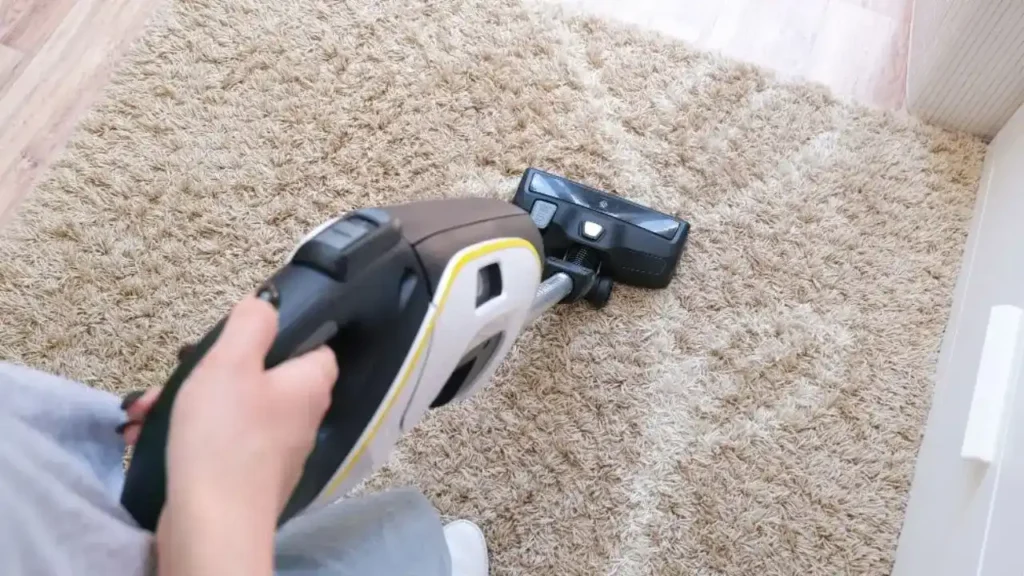
How to Clean Different Carpet Types and Materials
Carpets are made up of different materials, and they do not respond to cleaning in the same way. The wrong method of cleaning can ruin your carpet. Here is how you can clean your different kinds of carpets:
Wool carpet
Wool is durable but is sensitive to harsh chemicals and over-wetting. Avoid cleaners containing bleach and ammonia, and use the gentle suction method. Before using any product on your carpet, do a patch test on a hidden area of the carpet. will hold moisture longer than any other synthetic fibre. Use good airflow to dry your carpet.
Synthetic carpet (nylon, polyester, polypropylene)
These are low-maintenance carpets and can be cleaned in a machine and with stronger stain treatments. These materials particularly resist staining, but they can fold under heavy furniture, so keep moving your furniture or changing the direction of your carpet.
Loop pile and berber carpet
For loop pile and berber carpets, use a suction-only vacuum. Never use vacuum brush bars and stiff brushes. Their bristles can catch or pull the threads.
Cut pile, twist and saxony carpet
These carpets should be cleaned with a vacuum in varied directions. Do not just always vacuum in one direction. Such carpets show footprints and vacuum lines more visibly, so always use a carpet take after cleaning to restore a clean pile finish.
Natural fibres (sisal, jute, seagrass)
Natural fibres can discolour and shrink if soaked, and do not respond well to water. Use the dry cleaning method for such carpets. Use a dry carpet shampoo and vacuum thoroughly, and use the blotting method for any spill before they soak into the carpet.
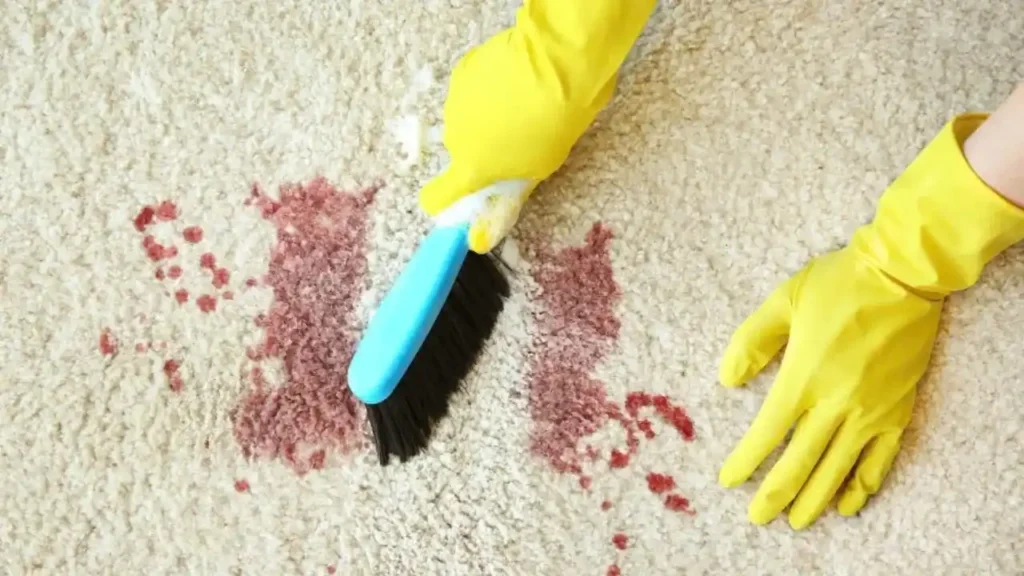
How to Remove the Most Common Carpet Stains
| Stain | Quick method |
| Red wine | Blot immediately, then cover with a baking soda paste (3 parts soda to 1 part water). Leave to dry, then vacuum up. |
| Pet urine | Blot up as much as possible, apply a 1:1 white vinegar and water solution, blot again, then treat with an enzyme cleaner to fully break down the odour. |
| Coffee & tea | Blot with a dry cloth first, then apply a 1:1 white vinegar and water solution and blot until the stain lifts. |
| Blood | Use cold water only (hot water sets the stain). Blot with a cold, damp cloth, or a mix of two parts hydrogen peroxide to one part washing-up liquid for dried stains. |
| Mud | Let it dry completely, vacuum off the loose dirt, then treat any remaining marks with a vinegar and salt solution. |
| Oil & grease | Blot excess oil first, then apply washing-up liquid (it’s designed to break down grease) with a damp cloth, working from the outside of the stain inwards. |
| Ink | Dab with rubbing alcohol on a white cloth, working from the outside in, then rinse with a little cold water and blot dry. |
| Candle wax | Let the wax harden fully (an ice cube speeds this up), scrape off the excess, then place a paper towel over the residue and run a warm iron over it briefly to lift the rest. |
| Chewing gum | Harden with ice, then scrape off with a blunt knife. Any residue lifts with a little white vinegar on a cloth. |
| Nail polish | Non-acetone nail polish remover on a cloth, blotted (never rubbed) from the outside of the stain in. Always spot-test first, as acetone can damage synthetic fibres. |
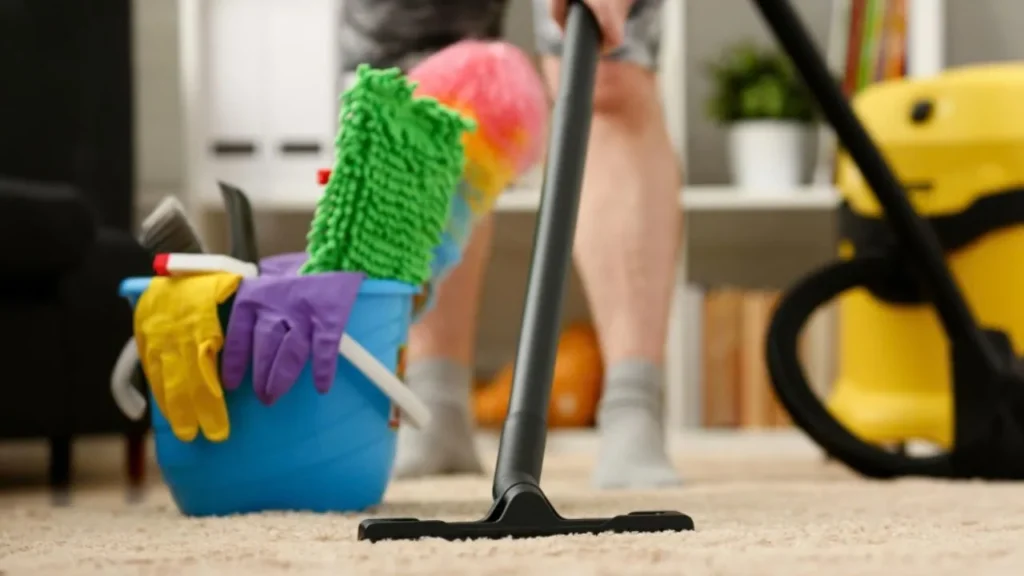
DIY Carpet Cleaning Solutions You Can Make at Home
You can make a carpet cleaning solution at home as well. You do not need specialist products for everyday carpet cleaning. Here are the three DIY solutions that you can make at home.
Baking soda and salt deep clean (machine-free)
- First, mix baking soda and vinegar in a 1:1 ratio. Take a spray bottle and fill it with cold water.
- Vacuum the carpet thoroughly first, then sprinkle the mixture over the working area.
- Spray cold water over it to make it damp
- Take a soft-bristle brush and rub it gently in one direction.
- Leave it to dry; once it dries completely, vacuum the residues.
All-purpose vinegar spray
Mix one cup of vinegar with one cup of water and one teaspoon of washing liquid in a spray bottle. This mixture works well for general spot cleaning and is way cheaper than a cleaning spray you will buy from a shop.
Odour-neutralising overnight treatment
Take bicarbonate soda and sprinkle it over the whole carpet. Leave it for 30 minutes or overnight if the odour is strong. Vacuum it thoroughly and repeat if needed. You can use it every time you vacuum.
How Long Does Carpet Take to Dry?
Drying time is where a lot of at-home cleans go wrong. Walking on a carpet before it’s properly dry re-embeds dirt and, with enough repeated moisture, risks mould in the underlay. Realistic timeframes:
| Method | Typical drying time |
| Vacuuming only | No drying time, ready to walk on immediately |
| Baking soda dry-clean method | Dry once residue is brushed off; no wait needed |
| Spot cleaning/blotting a stain | 30 minutes to 2 hours, depending on how saturated the area gets |
| Carpet cleaning machine (shampoo) | 6-24 hours, faster with good airflow, fans or a dehumidifier |
| Professional hot water extraction | 4-12 hours, typically faster than a domestic machine due to stronger extraction suction |
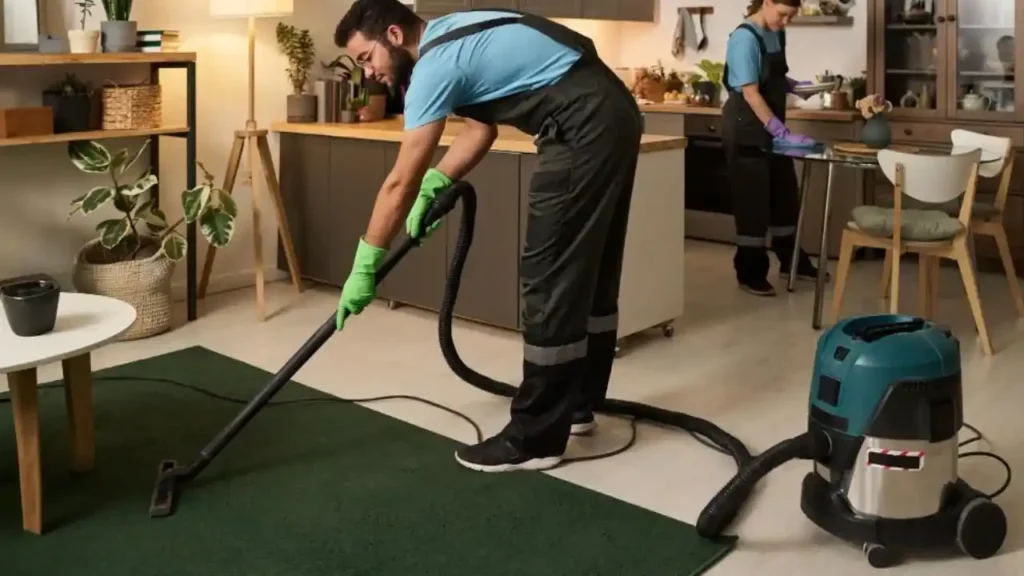
DIY vs Professional Carpet Cleaning: What’s Right for You?
DIY cleaning handles routine maintenance well. Understand how to clean carpet at home and is it worth calling in a professional carpet cleaner when the following occurs:
- The carpet still smells musty after cleaning and drying; this often signals mould or mildew in the underlay that needs industrial extraction to fully resolve
- You’re moving out of a rental: many landlords and letting agents specifically require a professional clean and receipt as part of the end-of-tenancy checkout.
- You’ve had flood damage or a significant water leak: proper water extraction and drying equipment prevent mould from taking hold in a way a domestic machine can’t match.
- A stain hasn’t shifted after a couple of home treatments: professional-grade solutions and hot water extraction can lift what household methods can’t
- The carpet feels matted or has lost its bounce. Professional cleaning can restore the pile and meaningfully extend the carpet’s usable life.
- Anyone in the household has allergies or asthma: an annual professional clean reaches embedded allergens that a domestic vacuum and machine typically can’t
- The carpet is a valuable, antique or delicate material (silk, fine wool): the risk of DIY damage outweighs the costs as savings.
Frequently Asked Questions
The most affordable and cost-effective way to clean carpet is by renting a carpet cleaning machine or doing manual scrubbing by using DIY solutions such as vinegar and dish soap solution.