

Remove Condensation from Windows: Inside, Outside & Double Glazing
You open the curtains on a cold morning, and the window glass is covered in droplets. Or the glass looks dry, but there’s a cloudy patch stuck between the panes that no cloth can reach.
Both are condensation, but they’re different problems with different fixes. If it’s on the inside of the window glass, it’s usually too much moisture and too little airflow. You can wipe it away and sort the cause yourself. If it’s on the outside, your windows are just doing their right job. If it’s trapped between the panes, the seal has most likely gone, and that needs a repair or a new glass unit.
So, how to remove condensation from windows? Let Cleaning Service London’s expertise help you look at what causes it and the practical ways to clear it.
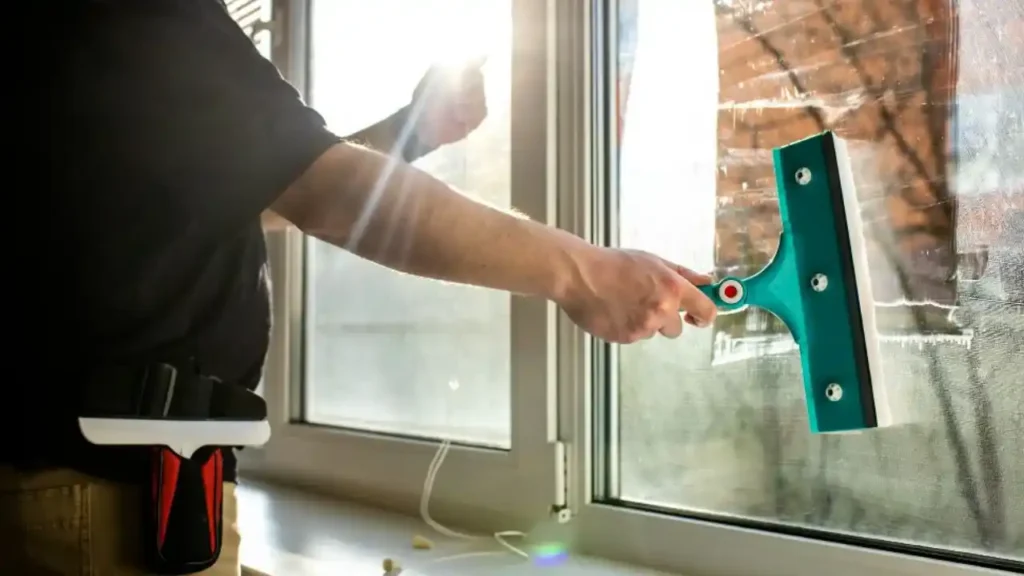
Start By Finding Where Condensation Forms: A Quick Diagnosis
Condensation season is here. Before going for removing condensation from your windows, take a look at where the moisture is forming. Work out which of the three it is, and the right fix gets a lot easier.
| Where You See It | What It Usually Means | What You Can Do |
| Inside The Window | High indoor humidity meeting cold glass | Improve ventilation and reduce indoor moisture |
| Outside The Window | Often normal with energy-efficient double glazing | Usually no action is needed |
| Between The Panes | The sealed unit may have lost its airtight seal | Consider demisting, resealing or replacing the glass unit |
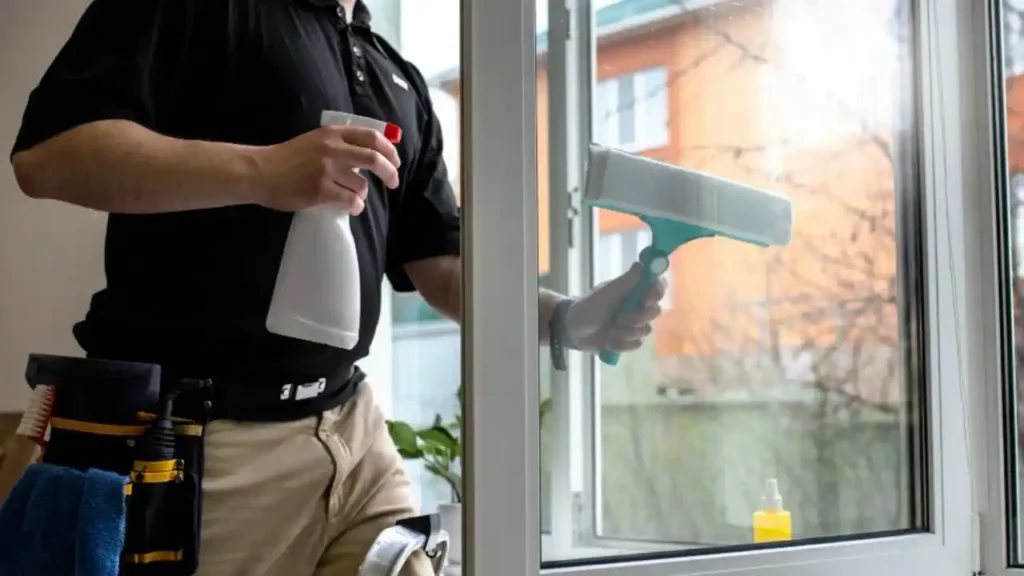
How To Remove Condensation From The Inside Of Windows?
You want bright rooms and clear views through your windows, but condensation can quickly turn the glass into a cloudy, damp surface. Inside condensation usually forms when warm, moisture-filled air meets the colder window glass.
Wipe It Away
Start by removing the moisture with a clean, absorbent microfibre cloth or squeegee. Wipe it from top to bottom and clean the sill afterwards so water doesn’t collect around the window frame. It will not ultimately prevent moisture, but it helps to reduce excess streaming on the glass.
Improve Ventilation
To remove condensation from windows indoors, the most effective approach is to reduce the moisture in the air and improve airflow around the windows. Condensation needs damp air that has nowhere to go, so give it somewhere to have its way. Open a window for a short spell each day, even in winter. The aim is to swap stale, moist air for drier air, not to freeze the room.
| Quick Tip: In UK winters, don’t open your windows for long periods, especially during rainy or humid weather, as this can introduce extra moisture inside. Ventilate your home for only 10-15 minutes in this case. |
Keep Trickle Vents Open
If your windows have trickle vents, keep them open rather than closing them during colder weather. They provide a steady flow of background ventilation without having the full window remain open.
Keep Windows Open After Showering
A hot shower can leave the bathroom filled with steam long after you have turned the water off. Keep the bathroom door closed while showering, then open the window or run the extractor fan afterwards for a while. Give the moist air time to escape before opening the door, so it doesn’t spread through the rest of the house.
Ventilate While Cooking
Boiling pasta, simmering a curry or making a cup of tea all add moisture to the air. Use your cooker hood or extractor fan while cooking and keep it running for a short time after cooking. If practical, open a nearby window to help clear the steam before it settles on colder glass.
Use a Dehumidifier
This is the best fix when ventilation isn’t enough, such as in a bedroom or a room where clothes dry. Put it in the room where the condensation forms and use a hygrometer to monitor humidity. A refrigerant model suits heated rooms and a desiccant model suits cold, unheated rooms.
Use a Moisture Absorber
Calcium chloride crystals or silica gel on the windowsill soak up some moisture. They can be useful for smaller areas where ventilation is limited, such as a bedroom, cupboard or poorly ventilated room. It doesn’t usually work for widespread condensation, so think of them as a helper alongside ventilation, not a replacement.
Dry Clothes Outside
It is a rainy winter afternoon, so the washing goes on the indoor drying rack. By evening, the clothes are drying, but the windows are misting up too. Dry clothes outside when you can. If you can’t, use a room with a window open or a humidifier and the door shut so the damp air doesn’t drift through the house.
Keep Indoor Temperatures Consistent
You turn the heating up quickly in a cold room, then switch it off once the room feels warm. When that warm, moist air touches the colder glass, it cools and forms water droplets. Keep indoor temperatures more consistent to help reduce condensation. Keep heating at a steady level rather than switching it on and off frequently. It helps keep window surfaces warmer and reduces condensation.
Fix Sources of Damp
Condensation isn’t the only cause of dampness. Check for a leak, a blocked gutter, or a plumbing fault, and remember that new plaster or building work gives off moisture for a while. If the glass keeps misting even with good ventilation, one of these may be the reason, and fixing them can stop it from coming back indoors.
How To Remove Condensation From Windows: Clear The Double Glazing
You have cleaned the glass from inside, but the cloudy moisture is still there. If you cannot wipe it away from either side, condensation may be trapped between the double-glazed panes. Let’s see how to remove condensation from double-glazed windows:
Check Your Guarantee First
Before paying for repairs, check your window guarantee. A failed sealed unit may still be covered if it’s under the guarantee period, and it saves you the cost of replacement.
Demisting, Using A Valve
If the glass is still in good condition, demisting may offer another option. The installer fits small valves in the glass to let the trapped moisture out. But honestly, it deals with the moisture, not the seal, so the fog can come back. So, it’s a short-term fix; always go for resealing when it stops working.
Reseal The Window
A failed seal allows moisture to enter the space between the panes. If the seal is the problem, a professional may be able to reseal the unit. Depending on the condition of the unit, a professional may be able to reseal it and prevent further moisture from getting inside.
Replace The Glass Unit
If the sealed unit cannot be repaired, you do not necessarily need a completely new window. The installer swaps the sealed glass unit and keeps your existing frame. It’s the most reliable way to clear the fog for good, as long as the frame is in good condition.
Replace The Whole Window
When the frame of the window is damaged, as in old homes, or is poorly installed, replacing it is the most successful way to remove condensation from windows. It will add a new frame and sealed glazing at once rather than fixing only the glass unit. In this way, you won’t have to return after a few months to resolve the problem.
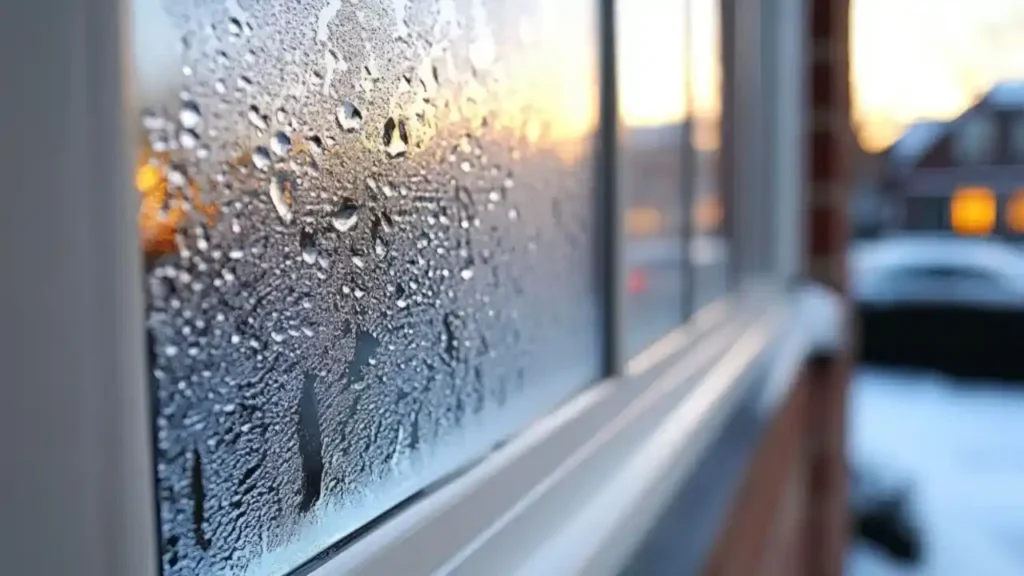
How To Avoid Condensation From Windows In The Future?
Once you have cleared the condensation, a few simple changes can help keep your windows clearer for the long term.
- Cut moisture at the source: Putting lids on pans, shutting the bathroom door, and drying washing outside all help keep damp air out of the room.
- Keep the heating steady: A low, constant setting stops the glass from getting cold between heating bursts.
- Install or upgrade extractor fans: A fan with a humidity sensor switches on by itself, so you don’t have to remember.
- Add trickle vents: If your windows don’t have them, it’s worth asking an installer about fitting some.
- Monitor humidity with a hygrometer: A small, cheap meter can show when a room is getting too damp.
- Improve insulation and ventilation together: Insulating without airflow can trap moisture, so it’s best to do both.
- Upgrade single glazing: Single panes get cold quickly and mist up easily, so double glazing helps in the long run.
- Check for damp and maintain your seals: If condensation keeps returning, it’s worth checking it isn’t a damp problem.
Alongside cleaning condensation from your windows, follow our step-by-step guide on how to clean a bedroom to keep your sleeping space fresh and tidy.
Diy Or Professional Removal Of Condensation: Which Is Better
A little condensation on your windows is usually easy to manage at home.I f it keeps returning, has caused mould, or is trapped between double-glazing panes, it is time to bring in a professional.
| DIY Removing | Professional Removing |
| Wipe away surface condensation | Tackle persistent mould and moisture |
| Improve ventilation | Investigate recurring damp |
| Use a dehumidifier | Handle larger cleaning jobs |
| Keep rooms warm and ventilated | Clean affected areas thoroughly |
If your DIY methods fails to remove the condensation from window you can seek professional assistance from our Domestic cleaning services, which offer cleaning of windows internally with great care.
What Are The Main Causes Of Condensation And How Does It Affect Windows
Cold mornings can leave window glass chilled, while showers, cooking and drying clothes add moisture to the indoor air. When this warm, moist air meets the colder glass, condensation forms as tiny water droplets.
A few common culprits can be behind condensation:
- High indoor humidity: Everyday activities such as taking hot showers, cooking and drying clothes inside usually release moisture into the air.
- Poor ventilation: It’s the major contributor. Moist air stays trapped indoors when there is not enough airflow. People tends to keep windows and doors shut in cold weather and ends up with damp and condensation issues.
- Cold rooms: A cold spell can leave window panes more prone to moisture. When a room loses its warmth, the glass can become chilly enough for moisture in the air to settle into tiny droplets.
- Single glazing: A single pane between your home and the cold outside makes glass lose heat quickly and become a magnet for condensation.
- Failed double-glazing seals: When temperatures drop, your windows can become the coldest surface in the room. Moisture can enter between the panes when the sealed unit loses its airtight seal.
Which Windows Are More Prone To Condensation?
Some windows are more likely to develop condensation because their glass becomes colder or their ventilation is limited. They may include:
| Window Type | Where Condensation Appears | Reason |
| Single Glazing | Inside | Cold glass attracts moisture. |
| Older Double Glazing | Inside | Poorer insulation can leave the inner pane colder and more likely to collect moisture. |
| Failed Double Glazing | Between the panes | A damaged seal allows moisture into the sealed space between the glass. |
| Modern Double Glazing | Outside | The outer pane can remain cold while the inner pane stays warmer, making external condensation possible. |
Final Thoughts
Knowing how to remove condensation from windows starts with identifying where the moisture appears. Reduce indoor humidity, improve ventilation, and keep rooms warm. If condensation sits between double-glazing panes or mould keeps returning, professional help can tackle the problem before it causes further damage.
FAQs
It depends on the room size and how damp it is, but you’ll usually notice a difference within a few hours. A really damp room can take days, since walls and furnishings hold moisture too.